
There are three ways to grow a local retail store: Get new customers, manage your inventory better, and get existing customers to shop more frequently.
Local retailers are improving performance in each of these areas by building repeatable systems: local SEO to attract new customers, inventory management to make better purchasing decisions, and email marketing to encourage repeat purchases.
I’ve seen the impact of these systems while working with cannabis dispensaries across New York.
One dispensary grew its monthly revenue from $236,000 to $412,000 over 16 months.
Another went from $149,000 to $200,000 per month in four months.
A third grew from $128,000 to $138,000 from processing nearly 500 more orders per month.
Here’s how to use these systems to increase sales.
How Local Retail Stores Get Customers
There are three groups of shoppers within every local retail market: your existing customers, your competitors’ customers, and discovery-phase shoppers.
Discovery-phase shoppers are looking for a place to shop but haven’t decided where to go.
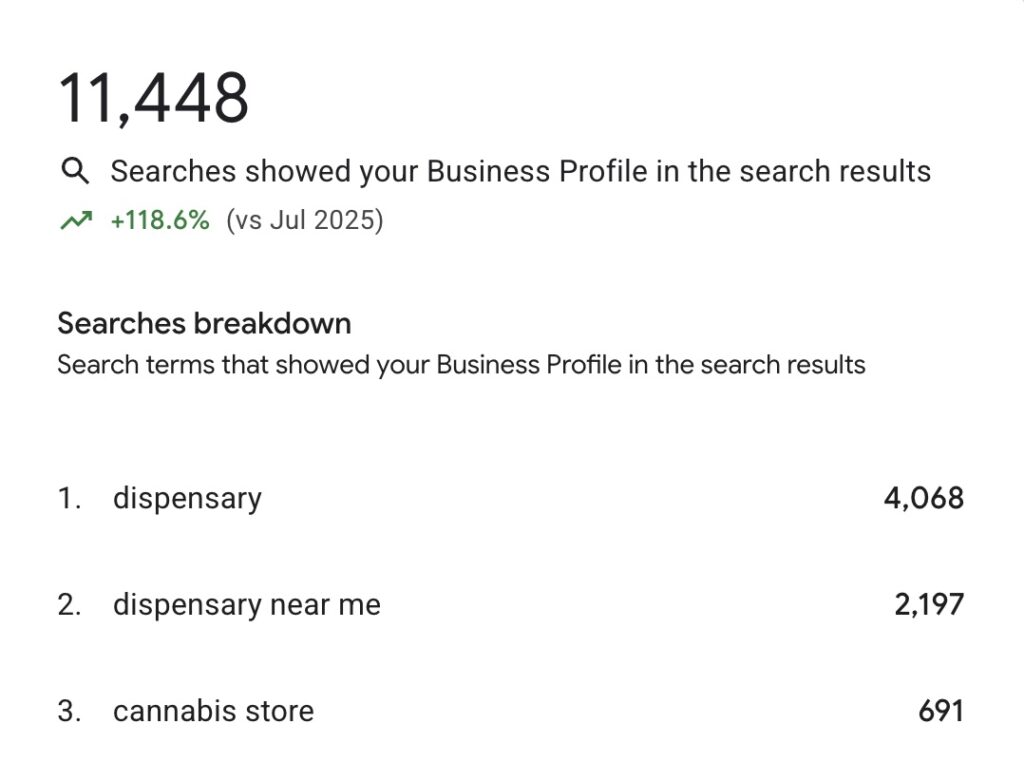
For a dispensary, this group will search Google using phrases like “dispensary near me”.
They’re willing to shop with whoever looks like the best option.
Someone who regularly shops with a competitor can also enter the discovery phase when their needs change.
Attracting Discovery-Phase Shoppers
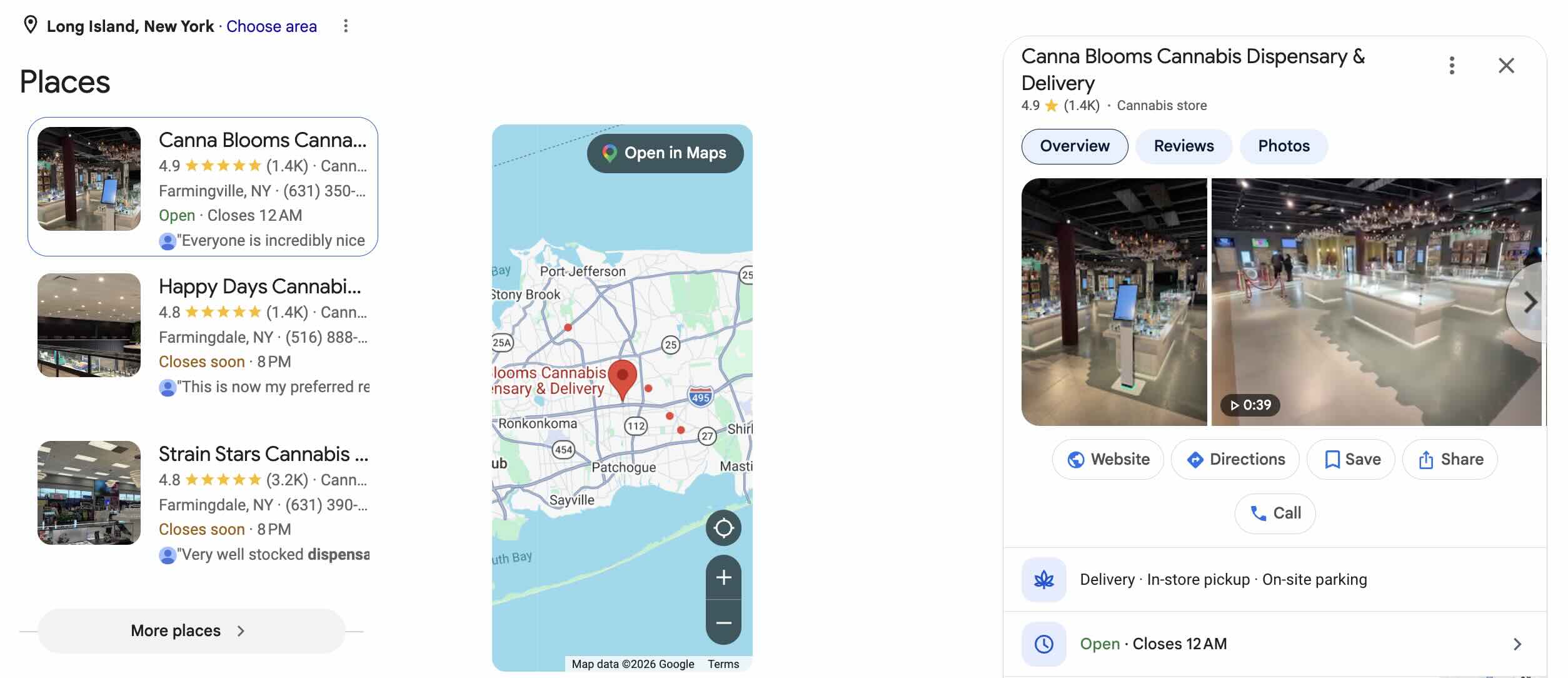
Discovery-phase shoppers aren’t searching for local businesses by name. They’re looking for what they want.
There are a couple closer options nearby but your store shows up first when they Google search a dispensary.
They decide to visit and make a purchase.
Now they’re familiar with your store, its location, and the products you offer.
Some of these customers never return. They were in the area for the day or needed something convenient at the time.
Others will come back occasionally, while some will make your store their preferred place to shop.
This is how a local retailer gradually expands its customer base.
How to Get More New Customers
Every month, there are people in your local market searching for products you sell who’ve never visited your store.
You can use Local SEO to consistently get your store in front of these shoppers when they’re deciding where to shop.
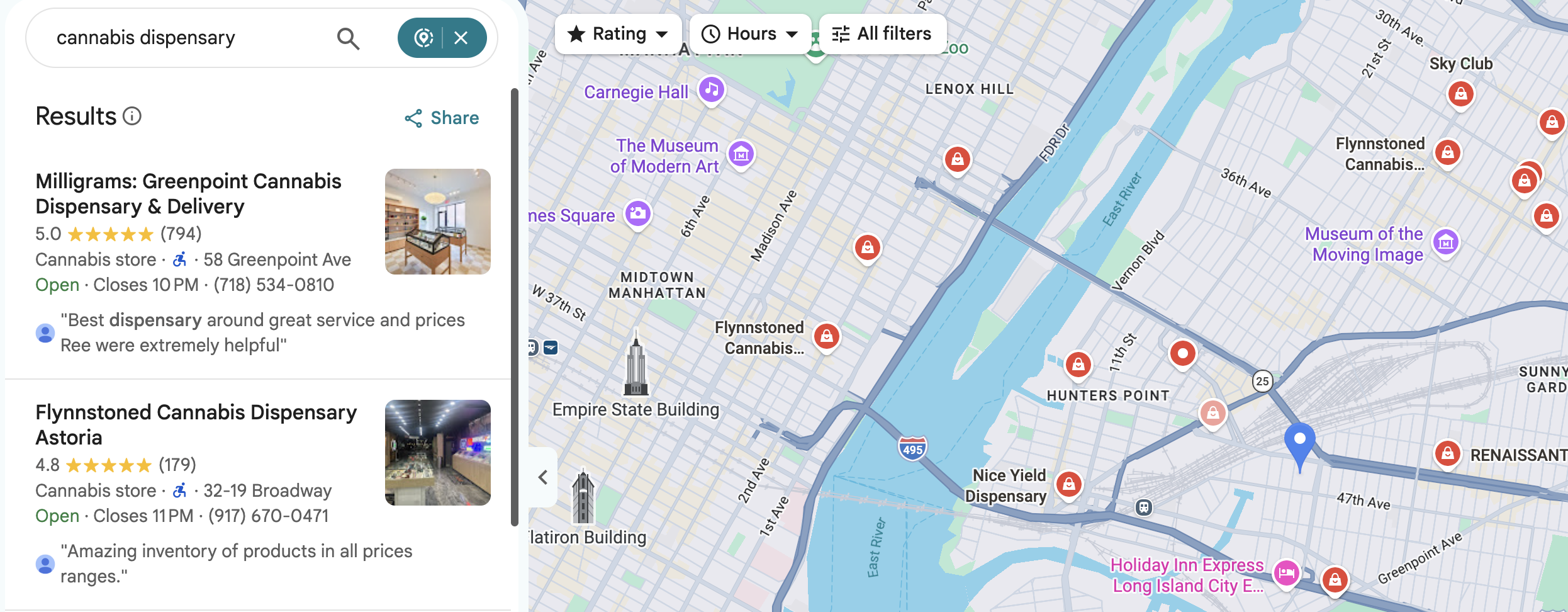
People use local Google searches to find nearby business. For example, “dispensary near me” and “cannabis dispensary near me”.
Local search results are the businesses Google shows in response. Shoppers can see locations, reviews, business hours, and request directions.
The key to consistently getting new customers is increasing the probability that Google shows your store at the top of these results.
Google uses distance, relevance, and prominence to determine which businesses appear and in what order.
Distance is based on your location. But you can influence relevance and prominence to maximize how often discovery-phase shoppers get shown your store as a top nearby option.
Read more: how dispensary owners should think about local SEO
Reaching More Discovery-Phase Shoppers
Every local market has a pool of discovery-phase shoppers looking for somewhere to buy products.
Many shoppers use terms like “dispensary near me,” “cannabis dispensary”, “cannabis store, or “dispensary deals near me”.
These searches are opportunities to introduce your store to potential customers.
In a densely populated market like New York City, several dispensaries are competing for the same shoppers.
But the closest dispensary isn’t always the first business Google shows.
Google considers distance, relevance, and prominence together when deciding which businesses to display and how to rank them.
You can actively strengthen your local search presence through your Google Business Profile and website.
Case study: Increasing dispensary near me appearances by 85%
Measuring Your Visibility in Local Search
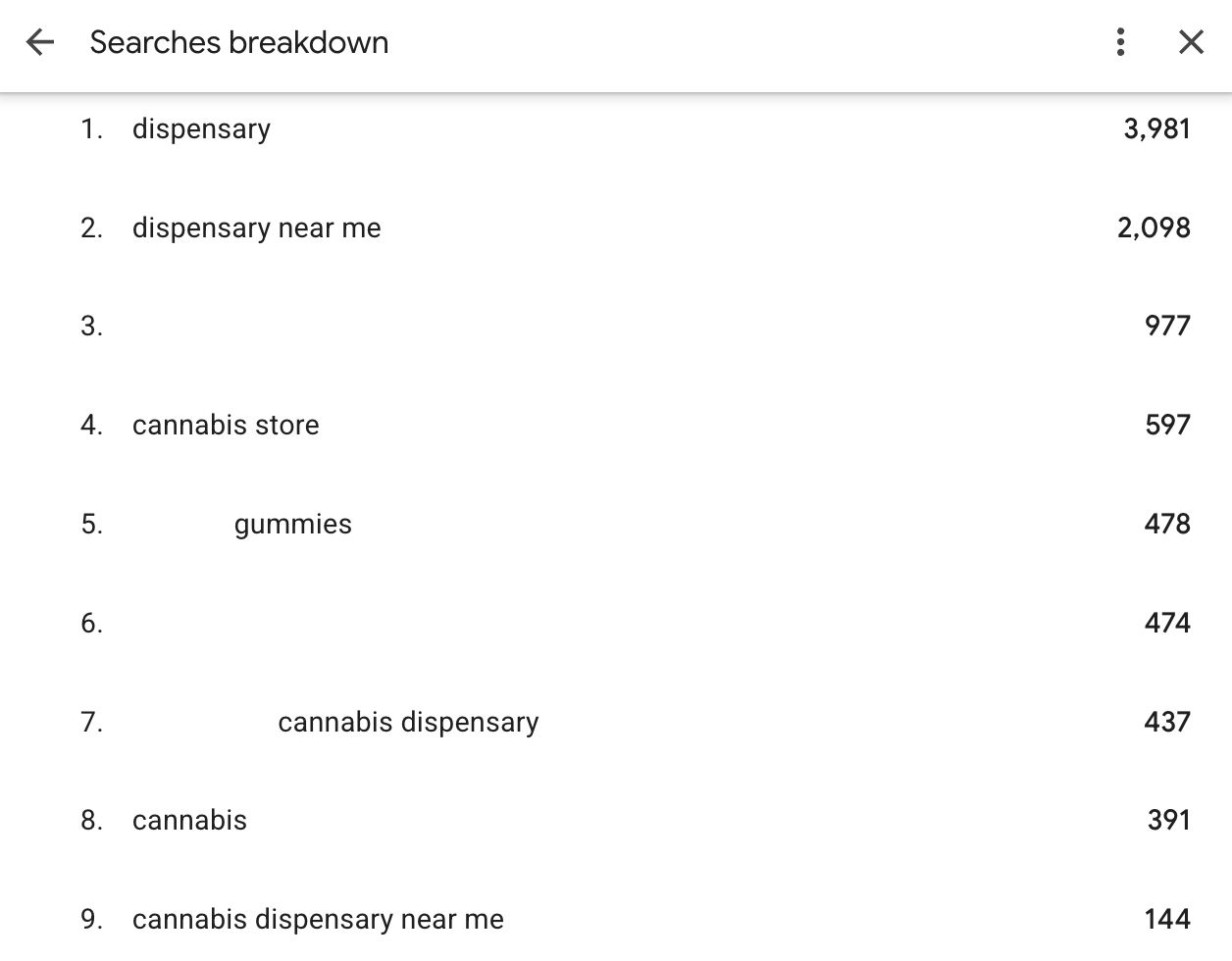
How do you know if your store is being shown to more shoppers in local search?
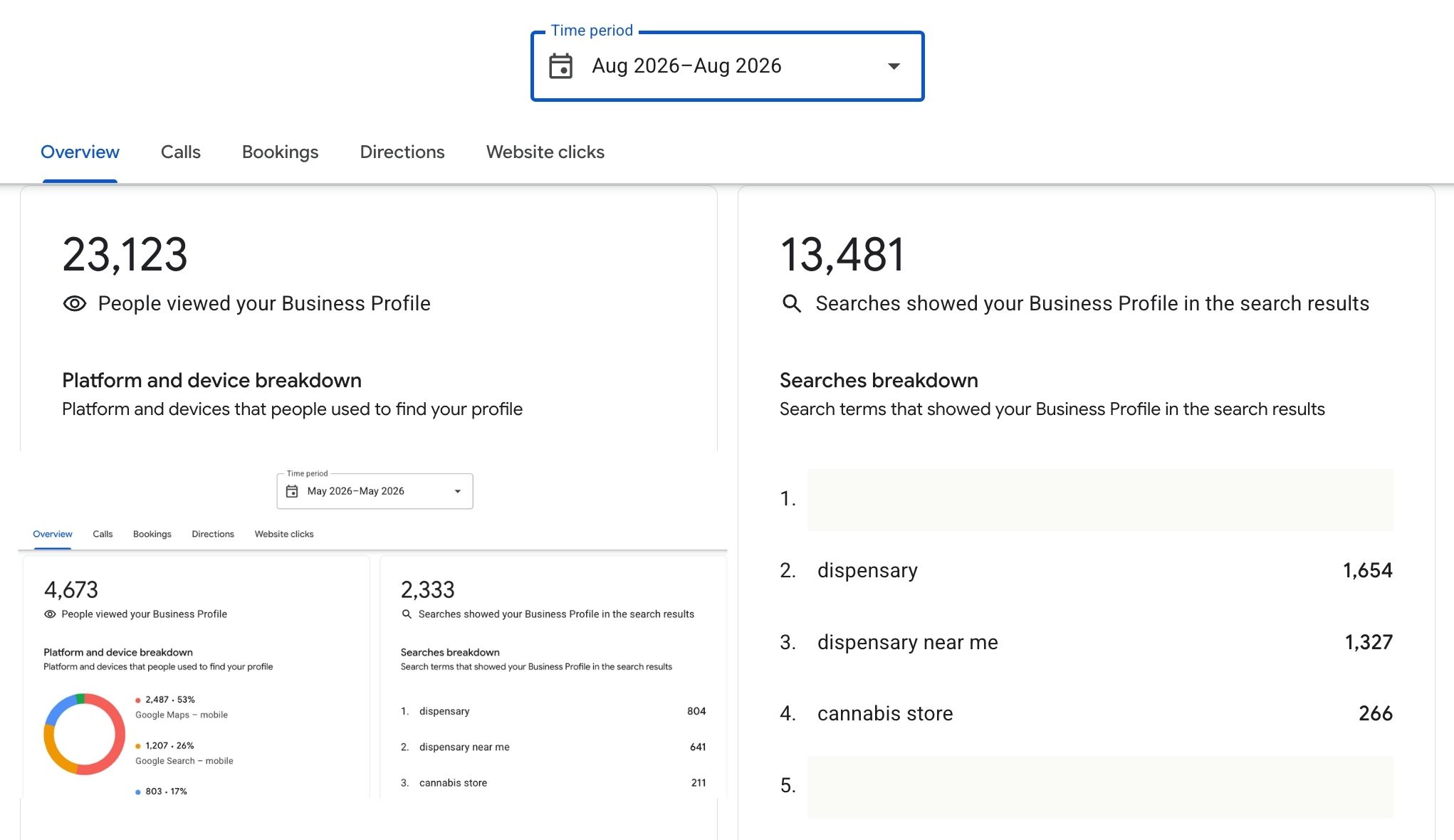
Check your Google Business Profile performance data.
Google provides a report showing the search terms your Business Profile appeared for in search results.
For example, you can monitor how frequently your dispensary appears for searches like “dispensary near me” and other relevant phrases.
You want to see your store appearing more frequently across searches that lead to potential customers.
Read more: using the Digital Storefront framework to attract new customers
Turning Local Search Visibility Into Customers
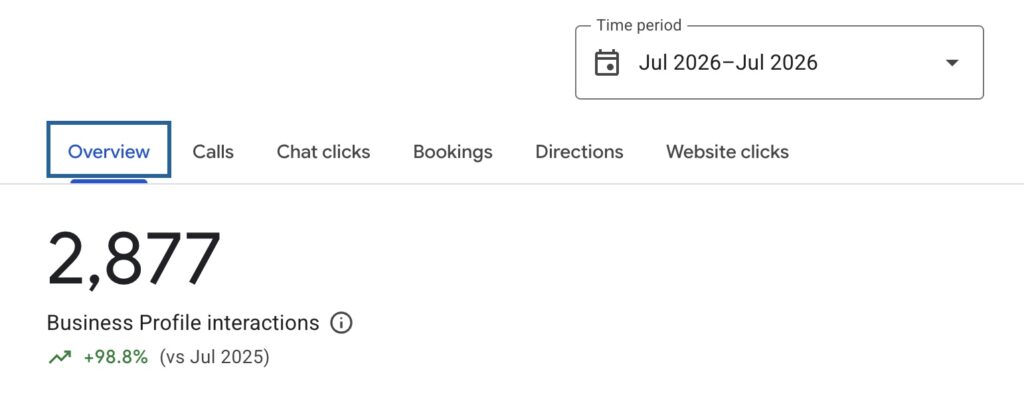
Getting your store in front of more shoppers creates opportunities to generate more sales.
Your Google Business Profile tracks interactions like website clicks and direction requests.
Someone requesting directions is thinking about visiting your store.
Someone clicking through to your website is checking your menu, comparing prices, or preparing to place an online order.
These actions show that shoppers are considering you.
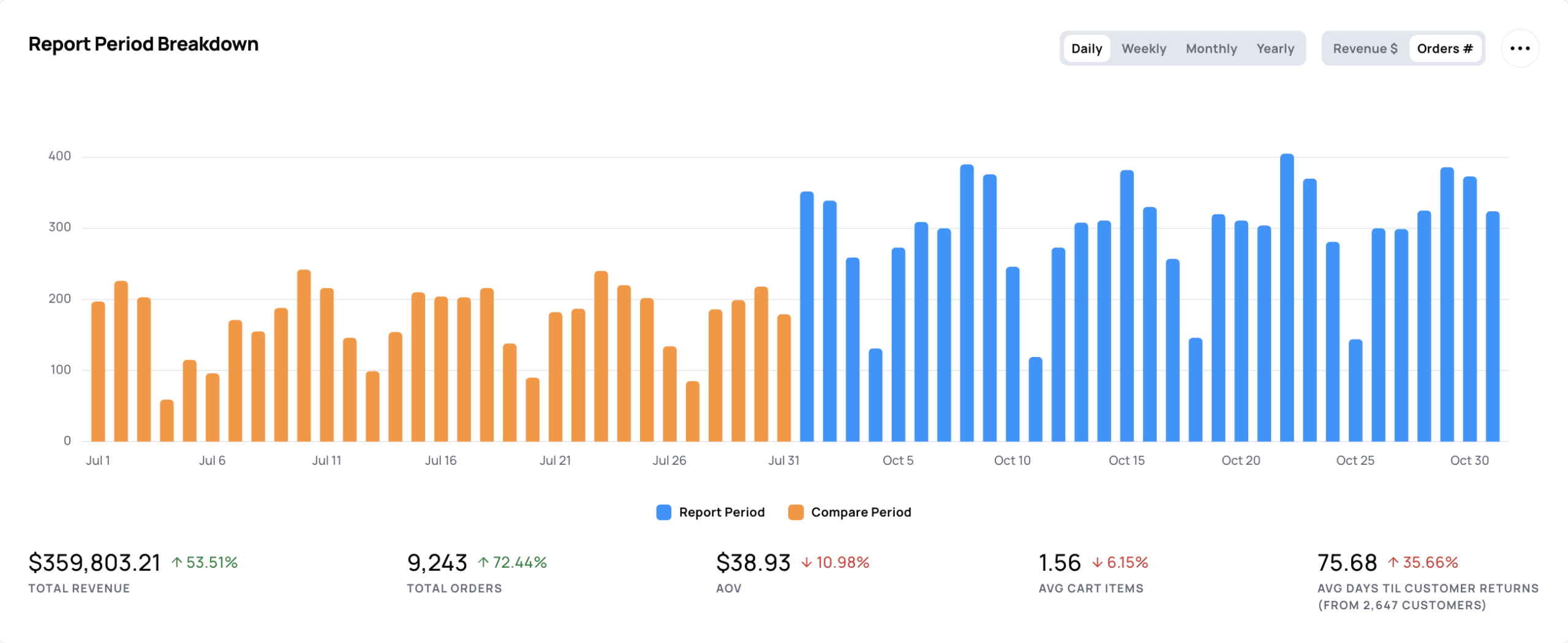
From there, you can look at your monthly transaction volume, online orders, revenue, and the number of new versus returning customers.
You’ll notice customers who originally found your business through Google are now shopping with you directly because they’re familiar with your store.
When you’re consistently increasing relevant search appearances, you can expect to see more Google Business Profile interactions. More interactions leads to growth in new customers and monthly orders.
Case study: Increasing local search revenue by 178%
How to Use Sales and Inventory Trends to Grow Revenue
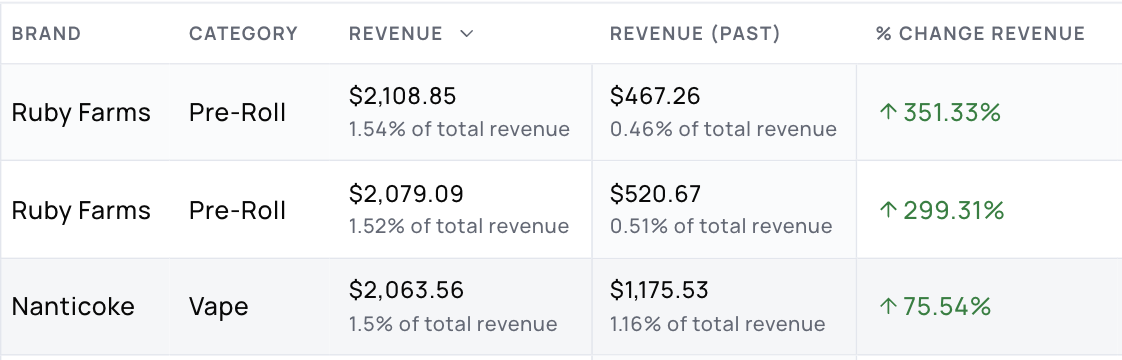
When we started working with one dispensary, they were processing around 5,400 orders per month. In their latest month, they processed over 9,240 orders.
As your transaction volume grows, so does the importance of managing your inventory and understanding what your customers are buying.
Every transaction tells you something about customer demand and how products are performing.
The challenge is having a system in place to consistently identify those opportunities and act on them.
Read more: how to find out why your revenue is declining
Identifying Sales Trends to Avoid Missed Opportunities
One of the biggest opportunities for local retailers is improving how they manage their inventory.
I’ve seen best-selling products consistently disappear from menus.
I’ve also seen products sitting on shelves, tying up money that could be invested in better-performing inventory.
By consistently tracking your sales and inventory data, you can find:
- Best-selling products: Know which products and brands are generating the most revenue.
- Emerging sales trends: Identify products gaining popularity before you run out of stock.
- Slow-moving inventory: Find products that aren’t selling and determine whether to adjust pricing, run promotions, or reduce future orders.
- Replenishment opportunities: Know when to reorder popular products based on sales velocity and available inventory.
These insights help you make more informed purchasing decisions to reduce missed sales opportunities.
Increasing Average Order Value and Improving Promotions
Your transaction data can also help you increase how much customers spend.
It helps you recommend complementary products and create better promotions that encourage larger purchases.
You can see whether your specials are generating additional revenue or just discounting products customers would have purchased anyway.
We want to using this information to improve metrics like average order value, basket size, and gross profit while making sure your pricing and promotions support your margins.
Small improvements in average order value can make a meaningful difference when you’re processing thousands of transactions every month.
Building a System That Turns Sales Data Into Better Inventory Decisions
The challenge for many retailers is finding the time to analyze thousands of transactions to identify trends and act on them.
This is where POS-connected inventory management and sales intelligence becomes valuable.
You can use technology to monitor sales and inventory trends on an ongoing basis.
These systems help identify products that need replenishment, flag slow-moving inventory, and recommend purchasing adjustments based on recent demand.
Some platforms can prepare suggested purchase orders for your team to review and approve, reducing the time spent managing inventory manually.
The right sales and inventory management system creates a repeatable process for turning sales data into better business decisions.
How to Get Existing Customers to Shop More Frequently
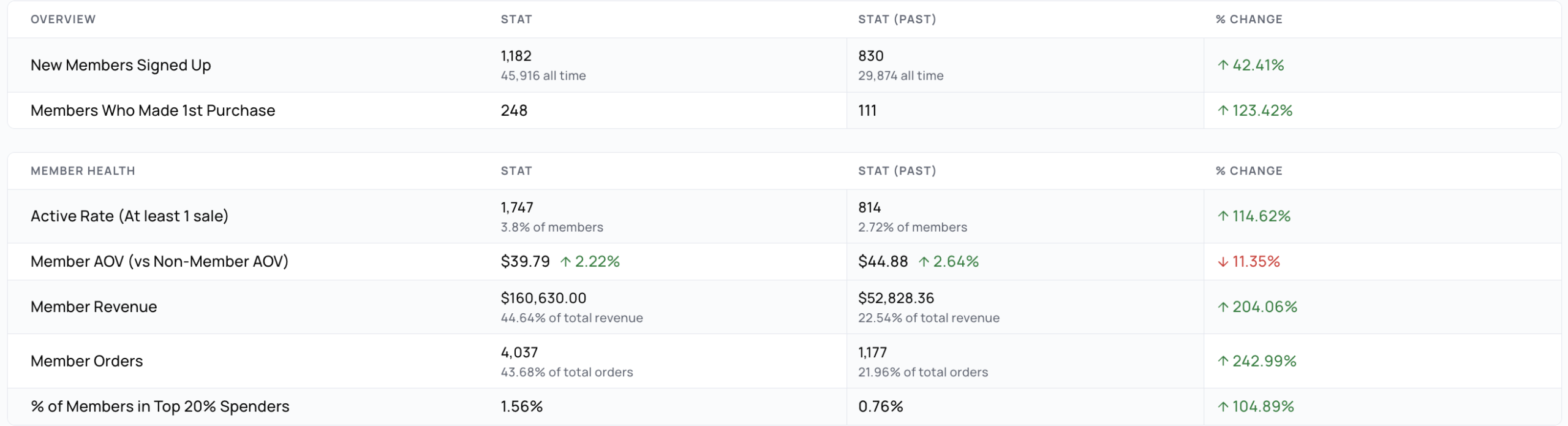
Email marketing and loyalty programs are a way to stay connected with customers who’ve already shopped with you.
Some shoppers visit multiple times per week. Others might stop by occasionally.
Customers who’ve had a good experience might start shopping elsewhere.
You can build a system that keeps your business top of mind and gives customers reasons to return.
Using Email Marketing to Encourage Repeat Purchases
Build a strong loyalty program
Reward repeat purchases and give customers more reasons to choose your store over competitors.
Re-engage inactive customers
Reach shoppers who haven’t made a purchase in the past 30 or 60 days.
Promote upcoming specials
Let customers know about relevant promotions, events, and seasonal offers.
Announce product availability
Notify interested shoppers when popular products are back in stock.
Encourage second purchases
Follow up with first-time customers and give them a reason to shop again.
You can automate these communications through POS-connected marketing platforms.
reach the right customers with relevant messages that encourage them to return.
Using Customer Data to Improve Retention
Your transaction data can help you understand how often customers return and what they’re purchasing.
It tell you which customers haven’t visited recently and who only made one purchase.
You can communicate with customers based on their shopping behavior.
Then measure how many customers return, how frequently they shop, and whether your campaigns are encouraging additional purchases.
The objective is to increase repeat purchase frequency and generate more transactions from the customer base you’ve already built.
Building Systems for Consistent Retail Growth
Each system addresses a different part of growing your business.
- Local SEO helps introduce your business to new shoppers who are actively looking for products you sell.
- Sales and inventory management helps you respond to customer demand and identify opportunities to increase sales.
- Email marketing and customer retention help you stay connected with existing shoppers and encourage them to purchase more frequently.
These are three areas where you can take consistent action.